Coffee, Metabolism and Weight Management: What the Research Actually Shows
Coffee can temporarily influence metabolic rate, energy expenditure and fat oxidation, but those effects are only one part of the much larger weight-management picture. This research guide explains what metabolism actually means, how caffeine interacts with it, what human studies have found, and where coffee-based metabolic-support products such as Metabo Drops fit into the evidence.

Add Metabolic Support to Your Existing Coffee Routine
Metabo Drops is designed to be added to coffee as part of a daily routine. Its positioning combines coffee with ingredients commonly discussed in metabolic-support and weight-management contexts.
Research on coffee, caffeine or individual ingredients does not, by itself, establish that the finished Metabo Drops formula causes weight loss or produces a specific metabolic outcome. This site separates those questions so you can understand the research before evaluating the product.
BUY METABO DROPSDoes Coffee Increase Metabolism?
The more useful question is not simply whether coffee “boosts metabolism,” but how large the effect is, how long it lasts, and whether it meaningfully changes long-term energy balance or body composition.
Acute energy expenditure
Caffeine can produce a temporary increase in energy expenditure.
Heat-producing processes
Caffeine can stimulate thermogenic pathways under controlled conditions.
Substrate use
Human research supports increased fat oxidation in some settings, particularly around exercise.
Long-term outcomes
Short-term metabolic effects do not automatically translate into sustained weight loss.
Metabolism Is Much More Than “Burning Calories”
Metabolism describes the chemical processes that maintain life, produce energy, build and repair tissues, regulate temperature and respond to food and activity. When people ask whether they have a “fast” or “slow” metabolism, they are usually asking about energy expenditure rather than metabolism as a whole.
Resting energy expenditure
Energy used to maintain essential functions while the body is at rest.
Physical activity
Energy used during structured exercise and other deliberate movement.
Non-exercise activity
Walking, standing, household activity and other movement outside formal exercise.
Thermic effect of food
Energy required to digest, absorb and process nutrients.
Adaptive thermogenesis
Changes in energy expenditure that can occur in response to altered intake, body weight or environment.
Stimulant effects
Caffeine can modify acute expenditure, but that is only one component of a much larger system.
| Component | What it means | Relevance to coffee |
|---|---|---|
| Resting metabolism | Baseline energy requirement | Caffeine may transiently increase expenditure |
| Exercise activity | Planned physical activity | Caffeine can affect performance and substrate use |
| Everyday movement | Non-exercise activity | Coffee does not determine this directly |
| Thermic effect of food | Energy spent processing food | Only one component of total expenditure |
| Adaptive thermogenesis | Physiological adaptation | Far more complex than a “metabolism booster” claim |
What Does a “Slow Metabolism” Actually Mean?
The phrase is widely used but often poorly defined. Two people of similar body weight can have different energy requirements because of differences in body composition, age, sex, activity, lean mass and other physiological factors.
Factors that can influence energy expenditure
- Body size and lean mass
- Age and biological sex
- Habitual activity
- Calorie intake and weight-loss history
- Sleep and recovery
- Medications and health conditions
What a supplement cannot establish
A product claim about “boosting metabolism” does not diagnose why someone is gaining weight, fatigued or struggling with weight management. Persistent unexplained symptoms should not automatically be attributed to metabolism and may warrant professional assessment.
Coffee Is More Than a Caffeine Delivery System
Coffee contains a complex mixture of biologically active compounds. The supplied research describes more than a thousand bioactive compounds, including caffeine, trigonelline, cafestol, kahweol and chlorogenic acids. Their concentrations can vary with bean origin, roasting and brewing method.
| Compound or group | Why researchers study it |
|---|---|
| Caffeine | Stimulation, thermogenesis and energy expenditure |
| Chlorogenic acids | Glucose and metabolic pathways |
| Trigonelline | Coffee bioactive research |
| Cafestol and kahweol | Lipid effects, especially in unfiltered coffee |
| Polyphenols | Oxidative and metabolic pathways |
How Can Caffeine Affect Metabolic Rate?
Caffeine acts partly through antagonism of adenosine receptors and stimulation of physiological pathways associated with alertness and sympathetic activity. Research cited in the supplied scientific material describes effects on resting metabolic rate, energy expenditure, thermogenic lipolysis and fat oxidation under specific conditions.
Adenosine signalling
Caffeine blocks adenosine receptors, contributing to its stimulant effects.
Sympathetic activity
Stimulant signalling can influence energy expenditure and substrate mobilisation.
Thermogenesis
Acute studies can measure increased heat production and expenditure.
Fat oxidation
Experimental studies often assess whether more fat is used as fuel during a defined period.
From “Mechanism” to “Weight Loss”: Five Different Questions
This evidence ladder prevents a common error in metabolism marketing: treating a plausible mechanism or short-term physiological change as proof of meaningful long-term weight loss.
Can caffeine affect a biological pathway?
Mechanistic research can establish plausible pathways.
Can caffeine temporarily increase energy expenditure?
Controlled human studies can examine this directly.
Can caffeine increase fat oxidation?
Research suggests it can under some conditions, including specific exercise contexts.
Can habitual coffee intake change body composition?
Longer interventions and prospective research are needed to answer this more strongly.
Does a specific coffee supplement cause meaningful weight loss?
That requires evidence on the actual finished formulation rather than borrowed evidence from caffeine or isolated ingredients.
Coffee and Body Composition: An Interesting Association, Not Proof of Cause
A population-based cohort supplied for this project examined 2,264 middle-aged adults. Higher habitual coffee-intake groups showed lower body-fat percentage, lower total fat mass, lower visceral fat area and higher skeletal muscle mass, while BMI was broadly similar across intake groups.
What the study found
- Lower body-fat percentage in higher-intake groups
- Lower absolute fat mass
- Lower visceral fat area
- Higher skeletal muscle mass
- Similar BMI across coffee categories
What the study did not establish
- That drinking more coffee caused those differences
- That the effect would occur in every population
- That coffee alone produces weight loss
- That an ingredient or supplement will reproduce the same association
Coffee May Relate to Metabolic Health in Ways That Go Beyond Body Weight
The same cohort analysed glucose, insulin, lipids, amino acids and other metabolic markers. In men, higher coffee intake correlated with several markers of a more favourable glucose-insulin profile. The study also reported inverse correlations between coffee intake and several circulating branched-chain amino acids in both sexes.
These findings are scientifically interesting because metabolic health cannot be reduced to body weight, BMI or one “metabolism” number. At the same time, the correlations do not establish that coffee directly caused the observed biomarker pattern.
Can Coffee Help With Weight Management?
Coffee may interact with several processes relevant to weight management, but none should be treated as a standalone weight-loss solution.
Energy expenditure
Caffeine can temporarily raise expenditure.
Fat oxidation
Caffeine may increase fat oxidation under particular conditions.
Physical performance
Caffeine can influence exercise performance and perceived effort, indirectly affecting activity.
Appetite
Coffee and its constituents have been studied in relation to satiety and energy intake, but effects vary.
Glucose metabolism
Acute caffeine exposure and habitual coffee consumption do not necessarily produce identical metabolic effects.
What gets added to coffee
Sugar, syrups, cream and calorie-dense coffee drinks can outweigh a modest acute thermogenic effect.
Short-Term Metabolic Effects Are Not the Same as Long-Term Weight Outcomes
| Search question | Best evidence type | Reasonable conclusion |
|---|---|---|
| Does caffeine increase metabolic rate? | Controlled acute human studies | It can temporarily increase expenditure |
| Does caffeine increase fat oxidation? | Metabolic and exercise trials | It can under some conditions |
| Does coffee reduce body fat? | Longer RCTs and prospective studies | Some supportive findings exist, but they are not universal |
| Does drinking coffee make you lose weight? | Sustained interventions | Not established as a reliable standalone intervention |
| Does a coffee supplement cause weight loss? | Finished-product studies | Must be demonstrated for that exact product |
The Coffee You Drink Matters
“Coffee” is not one standardized intervention. Its chemical profile varies according to bean variety, growing conditions, roast, grind, brewing method, filtration, serving size and caffeine concentration.
Filtered vs unfiltered
Filtering substantially changes exposure to diterpenes such as cafestol and kahweol, which are relevant to lipid research.
Roast and bean profile
Roasting and bean origin can change the concentration of coffee bioactives.
Caffeine dose
Serving size and preparation can change caffeine exposure substantially, affecting both benefits and tolerability.
Potential future search topics such as filtered coffee, espresso, cold brew, decaf and roast level remain sections until they show enough distinct user need and information gain to justify separate URLs.
Prefer a Ready-to-Use Addition to Your Coffee Routine?
Metabo Drops provides a prepared supplement formula intended to fit into coffee. Before purchasing, evaluate the finished product separately from the general science of coffee and caffeine.
CHECK METABO DROPS OFFERWhere Does Metabo Drops Fit Into This Research?
Metabo Drops belongs in the product layer, not the evidence layer. Its relevance to EN Metabolism is that the product is positioned for use alongside coffee and contains ingredients commonly discussed in metabolic-support contexts.
Ingredients Commonly Used in Metabolic-Support Formulas
These ingredients appear in the approved Metabo Drops asset set. Their presence in metabolism research or supplement marketing does not by itself establish meaningful weight loss from the finished product.
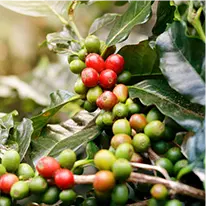
Chlorogenic Acid
One of the major phenolic compounds in coffee and a frequent topic in glucose and metabolic research.

Camellia sinensis
Tea-derived preparations are widely researched for caffeine, catechins and related metabolic questions.
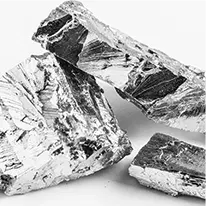
Chromium
An essential trace element involved in nutrient metabolism; that physiological role does not mean supplementation produces meaningful weight loss for everyone.

L-Carnitine
Physiologically involved in mitochondrial fatty-acid transport. Mechanistic relevance should not automatically be converted into a weight-loss claim.
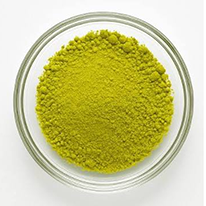
L-Theanine
An amino acid found naturally in tea and frequently paired with caffeine in formulations focused on the experience of stimulant use.

Vitamin Complex
Vitamins participate in energy-metabolism pathways, but correcting deficiency and causing additional weight loss are different propositions.
What Actually Determines How Much Energy You Use?
Daily energy expenditure is the product of multiple systems rather than one metabolic switch. Resting requirements usually make up a large portion of total expenditure, while movement, food processing and physiological adaptation contribute additional variation.
Resting requirement
Energy needed for essential physiology at rest.
Body composition
Lean tissue contributes to differences in resting expenditure.
Movement
Structured exercise and everyday movement can materially change total expenditure.
Food processing
Digestion and nutrient handling require energy.
What Is Thermogenesis?
Thermogenesis means heat production associated with metabolic processes. It occurs naturally through essential physiology, food processing, activity and adaptive responses.
Obligatory
Heat generated through essential metabolic activity.
Diet-induced
Energy used while digesting and processing food.
Activity-related
Heat generated through muscular activity.
Adaptive
Changes in heat production related to environment and energy balance.
Why Does the Same Coffee Affect Two People Differently?
Caffeine response is highly individual. Study-level averages describe groups, not guaranteed individual outcomes.
Exposure
Dose, serving size, other caffeine sources and timing change total exposure.
Biology
Body size, genetic variation and physiological state can influence how caffeine is handled.
Habituation
Regular caffeine use can change subjective and physiological responses.
Sleep
Timing can affect sleep, which itself matters for appetite, activity and weight-management behaviour.
Medication
Some medicines and health conditions can modify caffeine effects or tolerability.
Context
Exercise, meal timing and other behavioural factors can alter what a study or person experiences.
More Caffeine Is Not Automatically Better
Attempts to maximize metabolic stimulation by continually increasing caffeine intake can introduce trade-offs. Potential concerns include sleep disruption, nervousness, tremor or jitteriness, palpitations, gastrointestinal effects, temporary blood-pressure changes, medication interactions and cumulative caffeine exposure from several products.
People who are pregnant, unusually sensitive to caffeine, taking interacting medication, or managing relevant medical conditions should obtain individualized professional guidance.
Before You Believe a “Metabolism Boosting” Claim, Ask Five Questions
What outcome is actually being claimed?
Metabolic rate, fat oxidation, appetite, body weight, blood glucose and energy are not interchangeable.
Is the effect temporary or sustained?
An effect measured for several hours says little by itself about months of weight management.
What type of evidence supports it?
Mechanism, observational data, randomized human research and systematic reviews answer different questions.
Was the exact ingredient or product tested?
Ingredient evidence should not silently become finished-product evidence.
Is the effect large enough to matter?
Statistical significance and practical importance are different questions.
Explore the EN Metabolism Research Library
Every page answers a different user need. This prevents the cluster from becoming a collection of near-duplicate keyword pages.
Understand metabolism
Coffee and caffeine
Health, weight, ingredients and product
Frequently Asked Questions About Coffee and Metabolism
Does coffee speed up metabolism?
Caffeine in coffee can temporarily increase energy expenditure and thermogenesis. The magnitude varies between individuals and should not be interpreted as guaranteed long-term weight loss.
Does caffeine burn fat?
Research supports increased fat oxidation under some studied conditions, including during exercise. Fat oxidation during a short experimental period is different from demonstrating sustained loss of body fat.
Can coffee help with weight loss?
Coffee may influence several processes relevant to energy balance, but it should not be treated as a standalone weight-loss intervention.
What is thermogenesis?
Thermogenesis is metabolic heat production. It occurs naturally through normal physiology, food processing, physical activity and adaptive mechanisms.
Can you really have a slow metabolism?
People differ in energy expenditure for many reasons, including body size, lean mass, age, activity and physiological adaptation. Persistent symptoms should not automatically be attributed to metabolism.
Is caffeine the only metabolically active compound in coffee?
No. Coffee contains numerous compounds including chlorogenic acids, trigonelline and diterpenes.
Does decaffeinated coffee affect metabolism?
Decaffeinated coffee retains numerous non-caffeine coffee constituents, so coffee and caffeine should not be treated as identical exposures.
Does drinking more coffee create a larger weight-loss effect?
That conclusion is not supported. Dose, tolerance, individual response and long-term energy balance all matter.
Is Metabo Drops clinically proven to cause weight loss?
General coffee, caffeine or ingredient research cannot establish finished-product efficacy. Claims about the complete formulation require evidence on that formulation itself.
How should I evaluate a metabolism supplement?
Check the exact ingredient forms and amounts, evidence applicable to those forms, safety information, potential interactions, commercial terms and whether the complete product itself has been studied.
Add Metabo Drops to Your Coffee Routine
Learn about the product, review the current package options and continue to the merchant offer if it fits what you are looking for.
VIEW METABO DROPS OFFERHow We Interpret Metabolism Research
EN Metabolism separates biological mechanisms, short-term physiological studies, observational associations, randomized trials, systematic reviews and finished-product evidence. An association is not presented as causation, an ingredient result is not presented as finished-product proof, and a statistically measurable metabolic effect is not automatically described as meaningful weight loss.
Selected research used for this homepage
- Associations of habitual coffee intake with testosterone and cardiometabolic markers: the Northern Finland birth cohort study
- Caffeine and coffee: their influence on metabolic rate and substrate utilization in normal weight and obese individuals
- Appraisal of the causal effect of plasma caffeine on adiposity, type 2 diabetes, and cardiovascular disease